
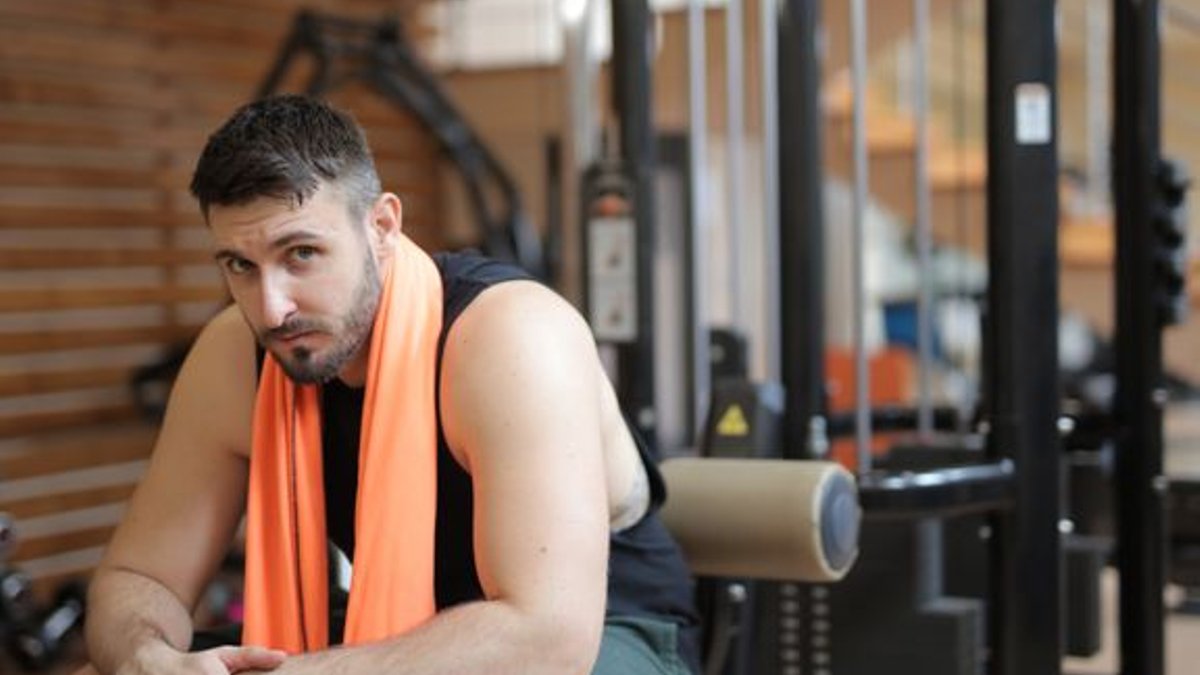
Men often treat recovery as an afterthought, assuming the workout ends the moment the final set is in the books. The way an hour passes after training determines whether a session leaves a person relaxed or creates an ordeal. Post-workout and post-shower rituals do not need to be elaborate, but a few unassuming habits can make the transition from training to daily life much simpler.
Give The Body A Few Minutes Before The Shower
There is a natural impulse to head straight for the locker room or the car as soon as the workout finishes. An interval to ease into rest prevents the exertion from feeling so jarring. Ten minutes of unforced activity works well. Slow walking, gentle mobility drills, or low-resistance pedaling allows the heart rate and breathing to subside without adding new work.
Some stiffness is expected, but sharp pain, dizziness, or other symptoms deserve attention rather than stretching past them. A shirt is not the only thing made uncomfortable by a good sweat. Fluid loss requires replenishment. Water is the baseline, but extended or warm sessions demand a more substantial approach. Sweat depletes sodium, and a regular meal afterward helps replenish nutrients without needing an array of specialized recovery products.
Stop Treating The Shower As An Afterthought
Sweaty clothes should come off sooner rather than later. Showering removes sweat and helps deal with the sticky, overheated feeling that can linger after a session. Clean, dry clothing afterward matters just as much, particularly if the rest of the evening is going to be spent at home. Water temperature is mostly a matter of preference. A warm shower can feel good after a strength session, while cooler water may simply feel better after training in the heat.
There is little reason to force an aggressively cold shower because someone online described it as mandatory recovery. The best shower is usually the one that leaves you feeling clean, comfortable, and ready to slow down.
Make The First 20 Minutes Comfortable
Post-shower recovery often suffers from a neglected problem: what to wear. Putting gym clothes back on defeats the point. Dressing immediately in jeans or structured clothing feels unnecessary when the plan is to eat, stretch, or simply stay home. Loungewear becomes part of the ritual rather than an afterthought.
Read Also: Telemedicine firm treats addiction with new medication
DudeRobe takes the basic idea of a robe and makes it closer to everyday home clothing, with a hooded design intended for the stretch between showering and getting properly dressed. That kind of in-between layer makes practical sense for someone who regularly trains at home or heads back from the gym. The point is less about recovery technology and more about removing friction. Dry off, put on something comfortable, and give yourself permission not to transition immediately into the next obligation.
Eat A Real Meal Instead Of Chasing The Perfect Recovery Snack
Protein matters after a training session, but carbohydrates and overall calorie intake deserve consideration too. For the average recreational lifter, there is no call to put down the weights and be at a shaker bottle in short order. Recovery is better served by a decent meal with its share of protein and carbs, such as eggs and toast, chicken and rice, or Greek yogurt with fruit and oats.
Should a full meal not be practical, a snack will do. The timing is of little consequence for the average person. Consistency matters more than precision.
Use Mobility Where You Are Actually Stiff
A long stretching routine can feel productive while doing very little for the areas that need attention. Think back to the workout. Which movements felt restricted? Did the hips feel tight during squats? Were the shoulders uncomfortable overhead? Did the calves become unusually tense during running? Choose two or three areas and spend a few minutes on them.
A simple post-workout mobility block might include gentle hip flexor stretches after lower-body training, thoracic rotations after a desk-heavy day or upper-body session, calf stretches after running or jumping, or light shoulder mobility after pressing work. Keep it easy. Recovery mobility should not feel like another training challenge.
Turn Off The Noise
Physical recovery gets most of the attention, but the nervous system does not instantly recognize that training is over. A hard evening workout can leave you physically tired while the brain remains alert. Loud music, constant notifications, bright screens, work email, and another hour of scrolling can keep that state going.
Read Also: New fitness guide for tactical athletes released
The post-shower period is a good place to intentionally reduce stimulation. Change into comfortable clothes, eat, dim the lights a little, and give the phone less attention than usual. This does not need to become a meditation ritual unless that is something you enjoy. The goal is simply to create a noticeable difference between training mode and the rest of the evening.
Do Not Turn Recovery Into Another Performance Metric
Fitness culture has managed to make resting surprisingly competitive. Sleep scores, recovery trackers, cold plunges, supplements, massage devices, compression gear, mobility routines, and precise nutrient timing can all have a place. They can also make a normal Tuesday evening feel like a laboratory protocol.
Most men will get more from reliably covering the basics: do not train every session as if it is a test, give unusually sore or painful areas time to recover, and let everything else earn its place by making life easier rather than by giving you another number to worry about.
Pay Attention To Tomorrow Morning
One of the simplest ways to assess a recovery routine is to notice how you feel the following day. Some muscle soreness after unfamiliar or demanding training is normal. Feeling destroyed after every workout is not necessarily evidence that the program is working especially well.
Look for broader patterns instead. Are you sleeping well? Is normal soreness disappearing between sessions? Does energy stay reasonably stable? Are you able to train again without constantly feeling beaten up? If recovery consistently feels poor, the answer may not be another ritual. Training volume, intensity, nutrition, stress, and sleep may need more attention.
A Good Ritual Should Be Easy To Repeat
The most useful post-workout routine is probably not the most elaborate one. Finish training. Cool down for a few minutes. Drink something. Shower. Change into clothing that makes staying home comfortable. Eat a proper meal. Deal with any obvious stiffness, then let the evening become an evening again.