
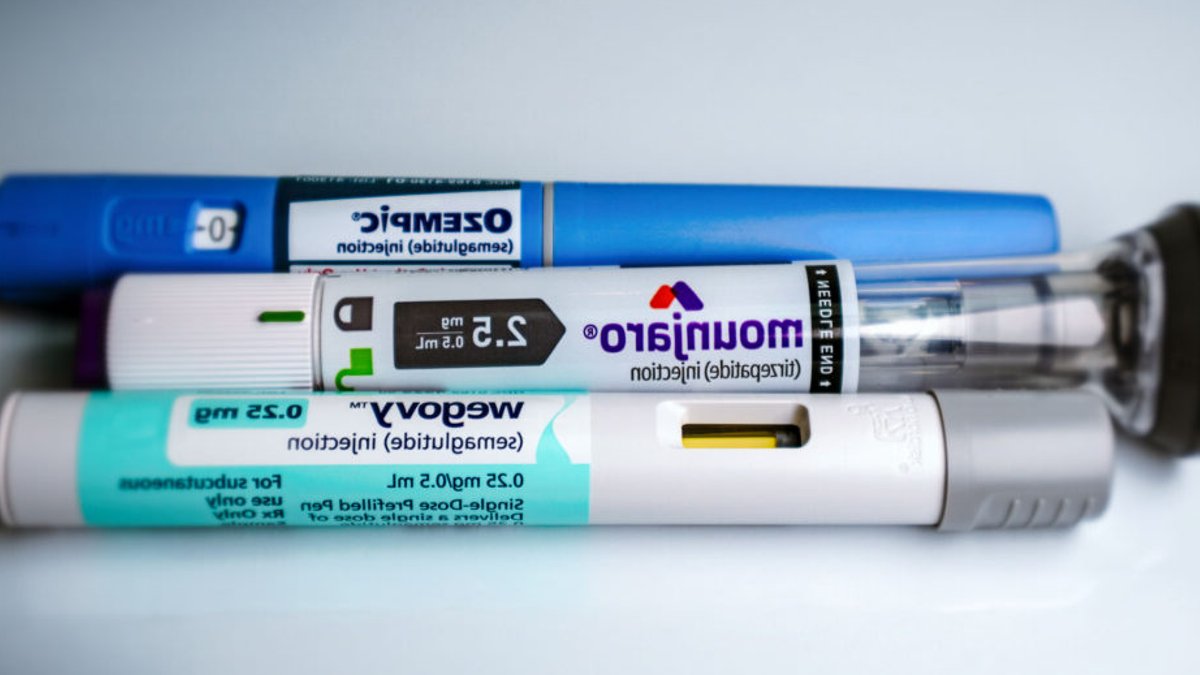
A new telemedicine company, Quel, has launched as the first venture built around GLP-1s for addiction. The services, available in 41 states, are an extension of a treatment program first tested at Caron Treatment Centers in Pennsylvania.
Journalists on the scene reported last summer on the elite center’s use of semaglutide for addiction, describing it as a journey into uncharted territory. At the time, only a handful of clinical trials existed to test the ability of GLP-1s to reduce substance use. Dozens more such studies exist now, many of which focus on alcohol use disorder.
GLP-1s and Addiction Treatment
The FDA has not approved GLP-1s for substance use, so the medications will be prescribed off-label. Quel‘s co-founder and chief medical officer, Steven Klein, told reporters last year that the company is using GLP-1s under the umbrella of addiction, whether that be food, sex, alcohol, or opioids.
Quel‘s treatment program is based on the idea that GLP-1s can help reduce cravings and improve treatment outcomes for individuals with addiction. The company’s services include online consultations with physicians and access to GLP-1 medications.
Telemedicine and Addiction Treatment
The launch of Quel marks a new development in the use of telemedicine for addiction treatment. Telemedicine has become increasingly popular in recent years, particularly for individuals who may not have access to in-person treatment services.
Quel‘s use of GLP-1s for addiction treatment is also notable, as it represents a new approach to addressing the root causes of addiction. By targeting the underlying biological mechanisms that contribute to addiction, Quel hopes to improve treatment outcomes and reduce the risk of relapse.
Implications and Future Directions
The launch of Quel has significant implications for the field of addiction treatment. As the use of GLP-1s for addiction becomes more widespread, it is likely that we will see new developments in the use of telemedicine for addiction treatment.
One potential benefit of Quel‘s approach is that it may help increase access to addiction treatment services, particularly for individuals who may not have access to in-person treatment. Additionally, the use of GLP-1s may help reduce the stigma associated with addiction treatment, as it represents a more medicalized approach to addressing the condition.
In practice, this development means that individuals struggling with addiction may have new options for treatment, and that GLP-1s could become a more widely accepted treatment approach. As the field continues to evolve, it will be important to monitor the effectiveness of Quel‘s approach and to consider the potential implications for the broader healthcare system.
The fact that Quel is using GLP-1s off-label for addiction treatment also highlights the need for further research into the effectiveness of this approach. As the company continues to grow and expand its services, it will be important to monitor the outcomes of its treatment program and to consider the potential risks and benefits associated with the use of GLP-1s for addiction.
New Approach Emerges
They are taking a new approach.
Quel is working to improve treatment outcomes.
The company’s services are available in many states.
Caron Treatment Centers tested the treatment program first.
Researchers are studying GLP-1s for addiction treatment.
The FDA has not approved GLP-1s for substance use.
Steven Klein discussed the company’s approach last year.
Quel is using GLP-1s under the umbrella of addiction.
The company’s treatment program is based on the idea that GLP-1s can help reduce cravings.
Telemedicine has become increasingly popular in recent years.
Telemedicine Expansion
Quel‘s launch marks a new development in the use of telemedicine for addiction treatment.
The company hopes to improve treatment outcomes and reduce the risk of relapse.
The launch of Quel has significant implications for the field of addiction treatment.
It is likely that we will see new developments in the use of telemedicine for addiction treatment.
Quel‘s approach may help increase access to addiction treatment services.
The use of GLP-1s may help reduce the stigma associated with addiction treatment.
Individuals struggling with addiction may have new options for treatment.
GLP-1s could become a more widely accepted treatment approach.
It will be important to monitor the effectiveness of Quel‘s approach.
The company will need to consider the potential implications for the broader healthcare system.
Research and Implications
The fact that Quel is using GLP-1s off-label for addiction treatment highlights the need for further research.
As the company continues to grow and expand its services, it will be important to monitor the outcomes of its treatment program.
They will need to consider the potential risks and benefits associated with the use of GLP-1s for addiction.
The use of GLP-1s for addiction treatment is a new approach.
Quel is working to improve treatment outcomes for individuals with addiction.
The company’s services are available in 41 states.
Caron Treatment Centers in Pennsylvania tested the treatment program first.
Researchers are studying GLP-1s for addiction treatment, and dozens of clinical trials now exist.
Steven Klein discussed the company’s approach last year, and Quel is using GLP-1s under the umbrella of addiction.