
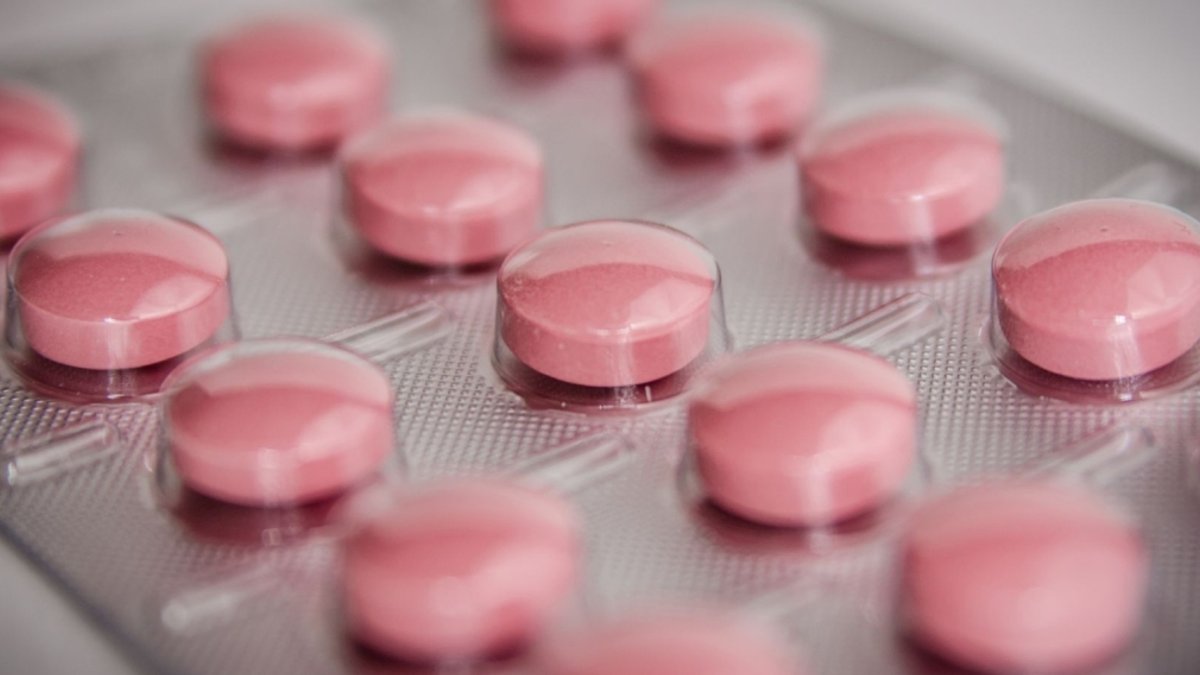
The Indian pharmaceutical sector loses roughly $5.05 billion each year, according to a recent study, representing about a quarter of domestic consumption spending before any health benefit is realized.
Scale of waste and its sources
The report, compiled by Primus Partners, identifies unused household medicines as the largest contributor, accounting for between $2.1 billion and $3.2 billion annually. Surveys show that between 53 % and 75.8 % of Indian homes keep leftover drugs, with one study finding them in 75.8 % of 165 households examined.
Further analysis indicates that up to 70 % of medicines purchased within the past three years remain unused. Government stock expiry and overstocking add another $318 million in losses, reflecting inefficiencies in public procurement and inventory management.
Regulatory gaps and state‑level experiments
The study points to the absence of a mandatory, nationwide drug recall law as a core reason for the waste. Although a recall framework has been debated since 1976, no legislation exists that covers the entire country. Likewise, there is no consumer‑facing system for unwanted medicines to be taken back.
Some states have begun to address these gaps. Karnataka shortened its recall window from 30 days to two by digitising the process, while Telangana introduced SMS alerts to warn pharmacies about substandard batches. Both initiatives remain limited to their respective states and have not been scaled to the national level.
In practice, the lack of a unified recall mechanism means that expired or unsafe drugs can linger in supply chains, potentially reaching patients despite the risk. Without a clear, enforceable pathway for removal, manufacturers and distributors face little incentive to act swiftly.
The current system places an unfair burden on families who must store or discard unused medication, often without guidance on safe disposal.
Related: Raffles Medical pledges $5m to health and education
Proposed national policies
To bridge the gap, the report proposes two nationwide policies. The first, a National Drug Recall Policy, would establish legally binding recall obligations, a centralised portal for tracking, QR and barcode traceability, and time‑bound retrieval protocols. Public alerts would be disseminated through pharmacies, hospitals, and digital health platforms.
The second, a National Medicine Buy‑Back or Take‑Back Policy, aims to create return channels for households, pharmacies, and hospitals. Recovered stock could be redirected for redistribution, returned to suppliers, or safely disposed of, leveraging quick‑commerce networks for logistics.
Primus Partners estimates that cutting current leakage by 25 % could recover between $1.05 billion and $1.26 billion each year. They argue that the fiscal justification for investing in recall and take‑back infrastructure outweighs the initial costs of digital traceability, regulatory capacity, and reverse logistics.
For patients, such reforms could mean fewer expired pills cluttering cupboards and a clearer path to public care and safe disposal, ultimately reducing the risk of accidental ingestion or environmental contamination.
Implementation would require coordination across central and state authorities, as well as cooperation from manufacturers and retailers. They note that without a unified framework, the sector will continue to bleed money while offering little improvement in health outcomes.
They must work together to create a system that reduces waste and improves patient care.