
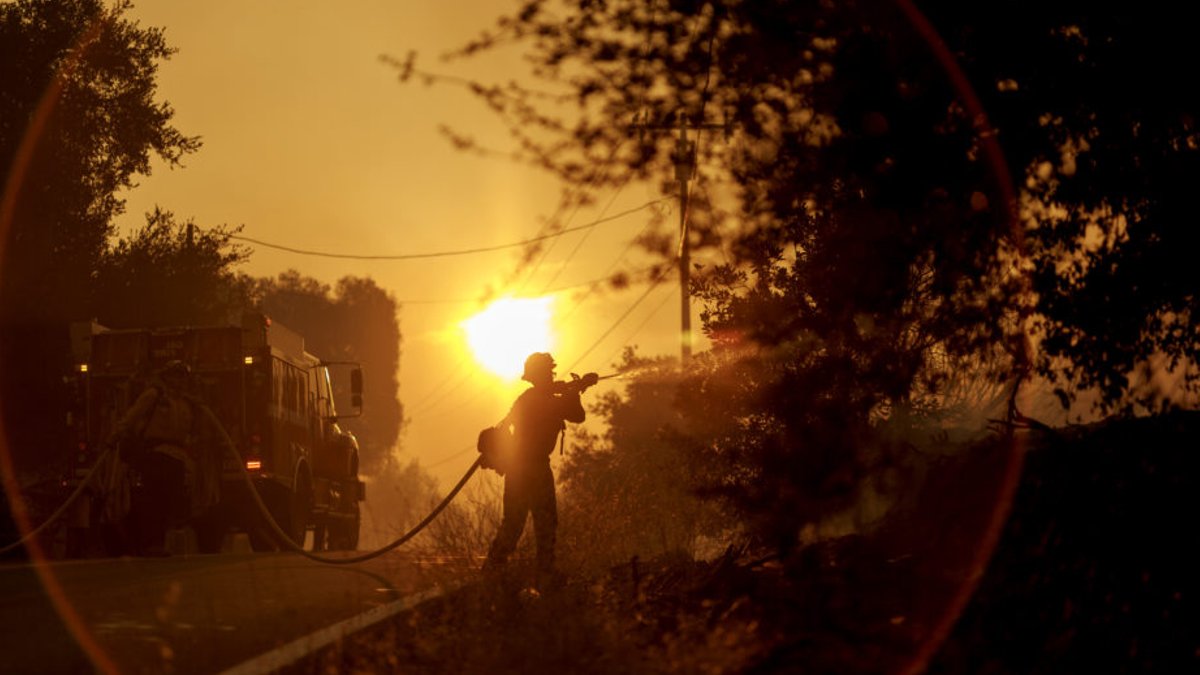
Tactical athletes, including EMTs, firefighters, police officers, Marine pilots, Navy SEALs, Army engineers, and astronauts, require distinct kinds of health care due to the unique demands of their jobs. The American College of Cardiology and the American Heart Association have released new cardiovascular guidance for clinicians caring for these individuals.
According to the report, the top duty-related cause of death in tactical athletes is cardiovascular disease. The clinical recommendations cover how to evaluate these athletes, particularly those with cardiovascular disease or at risk for developing one, in light of their duties.
Unique Demands of Tactical Athletes
Benjamin Levine, director of the Institute for Exercise and Environmental Medicine at Texas Health Presbyterian Dallas, notes that tactical athletes often don’t get to warm up or prepare for their duties. “In many cases it’s an emergency, you’re called out, and boom, you’ve got to be at high performance, at a high level immediately, and frankly, the risk of death is not insignificant,” he said.
Levine, who is also the cardiologist for “virtually every athletic team in North Texas” and NASA’s top consulting cardiologist, saw a need for guidance on tactical athletes after working on competitive sports guidance since the 1990s. He convinced the American Heart Association to address the issue, and sports cardiologists have welcomed the new framework.
Tactical athletes face unique hazards, including heavy equipment, stress, extreme environments, and common cardiovascular risk factors such as high blood pressure, high cholesterol, obesity, type 2 diabetes, and smoking. Their longer careers make them more like masters athletes, with cardiovascular risk rising with age.
Furthermore, the physical demands of their jobs can vary greatly, with some requiring intense physical activity over short periods, while others may involve prolonged periods of stress and exertion. For example, firefighters may experience intense heat and physical exertion while responding to a fire, while police officers may face high-stress situations that require quick decision-making and physical response.
Cardiovascular Risks and Career Shifts
Researchers have found that increased radiation exposure during spaceflight may speed up atherosclerosis in astronauts. For active-duty service members, 18% had at least one cardiovascular risk factor, and 24% were active smokers. Firefighters with a previous diagnosis of cardiovascular disease were more likely to have a fatal cardiovascular event.
Tim Churchill, a member of the Cardiovascular Performance Program at Mass General Brigham Heart and Vascular Institute, notes that the conditions in which tactical athletes work can pose significant stresses on the cardiovascular system. However, he believes these jobs do not increase the risk of cardiovascular disease, but rather exacerbate underlying problems.
Cardiovascular fitness may change with age, and the physical performance needs of a police officer on a SWAT team may be different from a patrol officer on the beat. Brian Becerra, a cardiologist and director of sports cardiology at UC Irvine, says that just because an individual doesn’t have the cardiovascular capacity for one type of job doesn’t mean they can’t do something else.
Medical Decisions and Shared Decision-Making
The new guidance for tactical athletes differs from the most recent guidance for sports athletes, which emphasized shared decision-making between doctor and patient. For tactical athletes, the outcome affects many others, and stakeholders such as officers in the command structure within the military may have a bigger say in what happens to the individual athlete.
Lili Barouch, director of sports cardiology at Johns Hopkins Medicine, said, “I mean, these are the people that are protecting our communities.”
As the guidance is implemented, clinicians will need to consider the specific needs of tactical athletes and develop strategies to mitigate the risks associated with their jobs. This may involve more frequent evaluations and screenings, as well as tailored treatment plans to address the unique demands of their duties.
The estimated 4 million Americans who fill these roles will likely benefit from the new guidance, which acknowledges the distinct challenges they face and provides clinicians with the tools to better care for them. By recognizing the unique demands of tactical athletes, clinicians can help ensure that these individuals receive the care they need to perform their duties safely and effectively, and this is particularly important for health insurance coverage.
It is clear that tactical athletes require specialized care.
Clinicians will play a key role in implementing the new guidance.