
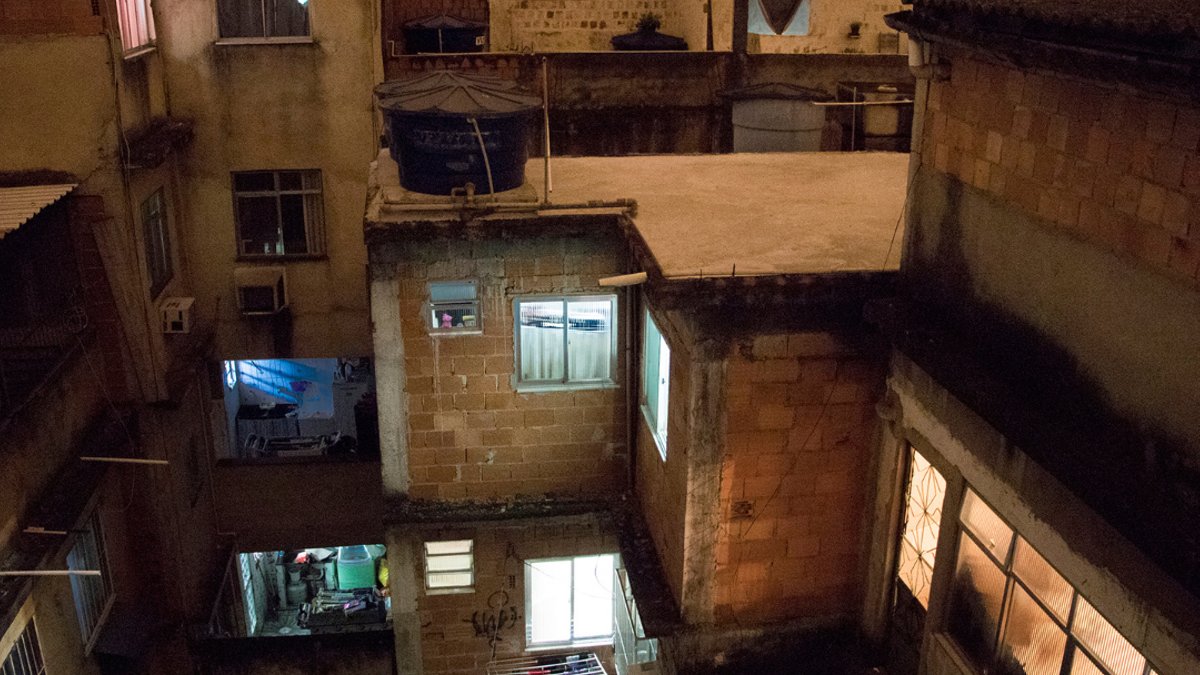
As South Africans head to the local elections, a Brazilian favela offers a glimpse of how communities can shape safer neighborhoods.
Service gaps and insecurity in South Africa
Municipal services across the country are strained: many towns grapple with overflowing waste sites, unreliable water supplies and crumbling infrastructure. In cities such as Durban and Johannesburg, residents report daily water cuts that disrupt schools and businesses, and the lack of reliable utilities hampers everyday life.
Crime statistics remain stark, with an average of 60 murders recorded each day. Youth unemployment is equally alarming; roughly half of South Africans under 25 lack a job, fueling frustration and a sense of abandonment among young people.
Community action in Brazil’s Maré favela
Maré, a cluster of informal settlements near Rio de Janeiro, houses about 140,000 people. Armed groups patrol sections of the area, while police raids frequently interrupt daily routines, leaving residents caught between violence and uncertainty.
After President Luiz Inácio Lula da Silva secured a second term on 25 October, expectations rose among Brazil’s poorest. Lula’s earlier tenure saw poverty rates fall, thanks to expanded employment schemes and social assistance that lifted many families out of extreme hardship.
In Maré, a local group called Redes da Maré has taken a broader approach. The organisation assists teenagers in gaining university admission, teaches women entrepreneurial skills, and provides long-term help for people who use drugs or live on the streets.
Its strategy rests on three pillars: delivering basic services, supporting personal development and improving safety. By creating alternatives to criminal activity, the group argues that policing alone cannot secure neighborhoods.
One observer notes that the Maré experience shows how organized residents can press for better health clinics, reliable electricity and safer public spaces, even when state capacity is limited.
What South African voters can take away
Political leaders are essential, yet the Brazilian example warns that a change of government does not automatically resolve deep-rooted problems. Sustainable progress requires residents to organize, voice demands and monitor public officials.
In conclusion, as South Africans head to the polls, they can learn from the Maré experience that community action and organized residents can lead to positive change, and that this, combined with effective leadership, can help build safer and healthier communities.