
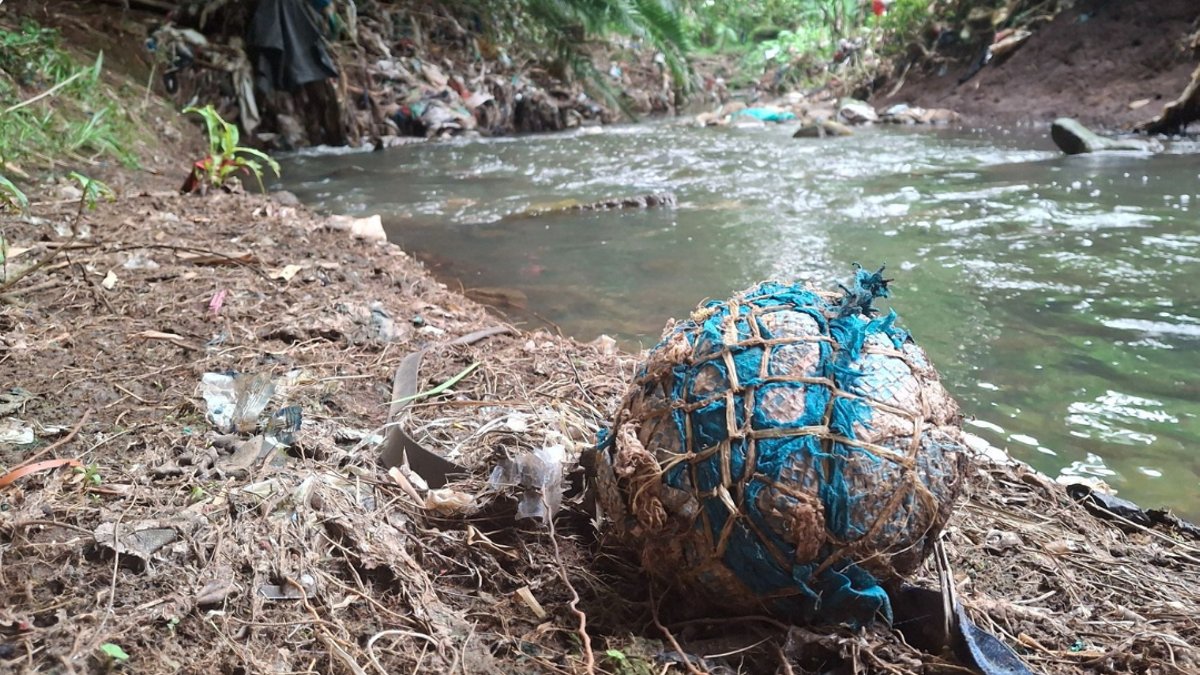
The Ngong River in Nairobi and the Jukskei River in Johannesburg are two urban rivers that flow through dense, flood-prone settlements. Both rivers are plagued by flash floods, raw sewage, and plastic pollution, which have severe consequences for the residents living in these areas.
The water itself is also dangerous, with researchers estimating that someone swimming in the Jukskei River has a 50% to 60% chance of picking up salmonella or shigella.
The similarities between Mukuru and Alexandra, a township in Johannesburg, are striking. Both areas are split by rivers and have low-lying communities that are incredibly flood-prone due to years of rubble dumping along the riverbanks. The sonic profile of both areas is also similar, with blaring music, shouting, and angle grinding, and the air is filled with the smell of feces due to poor drainage and inadequate sanitation.
The main problem facing these rivers is rapid stormwater runoff upstream, where buildings and roads have replaced soil and plants, resulting in flash floods. This, combined with the encroachment of formal and informal settlements to the edge of the riverbanks, has spelled disaster for residents. In 2024, Mukuru experienced its worst floods, killing about 300 people, and driving 40,000 Nairobians living in slums from their homes.
Floods Devastate Communities
One resident, Faith “Aties” Atieno, lost everything in the floods and has since moved, but her new home flooded last year. In Alexandra, large parts of the township flooded in March, and in December 2022, floodwaters swept worshippers off the banks of the Jukskei River, drowning 15 people. Zikhona Renqe lost her mother and two young daughters in the tragedy and says she cannot escape the river.
The psychological impact of flooding can be considerable, with a growing body of evidence showing that recurring floods have cascading impacts, including economic instability, social strain, and detrimental mental health effects such as PTSD. In Setswetla, a settlement in Alexandra, researcher Koketso Mpshane found that people who tested positive for PTSD were significantly more likely to direct sadness and rage toward family and community members, causing psychological disturbance to others.
Pollution Poses Health Risks
The water in both rivers is highly polluted, with raw sewage entering the water course and raising levels of the bacterium E. coli above national and World Health Organisation standards for domestic use. This poses major risks to river users, including religious groups who use the Jukskei River for baptisms and are exposed to salmonella and shigella bacteria. Plastics also carry bacteria and can form blockages in the river course, increasing the risk of flooding.
In Mukuru, preliminary findings of a study conducted in 2025 by the African Population and Health Research Centre (APHRC) among more than 500 residents living in flood zones suggest that 44% showed signs of PTSD, such as nightmares and outbursts of anger and irritability, with the percentage rising to 51% among those who had experienced five or more floods.
The combination of poor drainage and inadequate sanitation produces environments that are permanently contaminated, with high rates of water, sanitation, and hygiene-related diseases, including diarrhea, intestinal worm infection, and eye infection. In Mukuru, community elder Francis Mukiri Muthoni says that the area yields cholera cases every year, with 140 suspected cases in 2017 alone.
Efforts to Mitigate Flooding
Researcher Fundiswa Viwe Gwija found that children under five living in Setswetla had high rates of WASH-related diseases, with children aged 24 to 36 months far more likely to suffer from diarrhea. The response to these problems has been scattershot and ineffectual, but there are signs of improvement, particularly in Nairobi, where the Nairobi Rivers Commission has been established to coordinate projects in the river basins, including dredging, riverbank stabilization, and stormwater management.
In 2024, the commission cleared a 30-meter-wide “riparian buffer” on either bank of the Ngong, Mathare, and Nairobi Rivers, which has helped to mitigate flooding. However, the problem of flooding is complex, and will require a sustained effort to address. As Muthoni points out, the main source of flooding in Mukuru is not the river itself, but runoff from the industrial area above, which flows through the community and builds up behind the riverbank.