
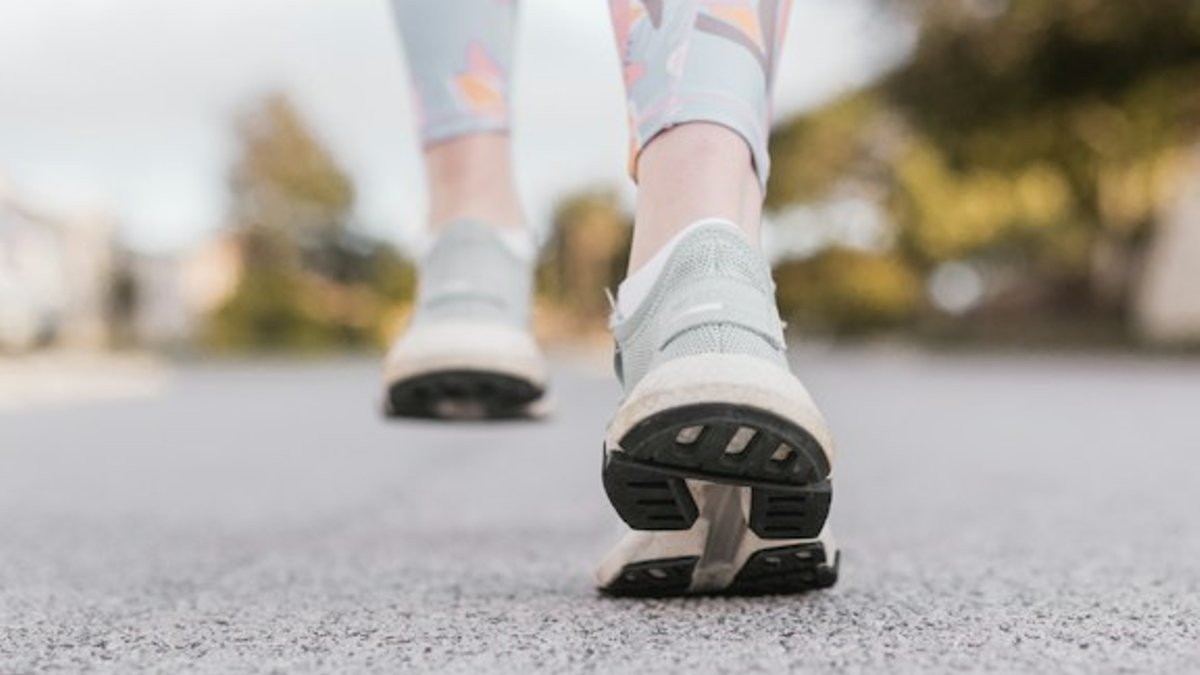
The manner in which you walk goes beyond mere transportation, as your gait—your individual walking pattern—depends on an detailed interplay between your brain, nerves, and musculoskeletal system. This pattern serves as a daily indicator, providing insights into your overall physical condition. When your gait is inefficient or abnormal, it can trigger aches and pains in areas of your body that seem unrelated, ranging from your knees and hips to your neck and shoulders.
Recognizing your walking pattern is key because it is as distinctive as a fingerprint. During a standard walking sequence, one leg bears your body weight while the other advances for the subsequent step. This process includes phases such as the heel touching the ground, the foot flattening to support your weight, and ultimately pushing off from your toes.
How Gait Influences Overall Health
Issues with your gait trigger a kinetic chain reaction that ascends through your body. Picture a minor imbalance in one foot, such as overpronation, the inward rolling of the foot. This slight deviation compels the ankle to adjust, which then impacts the knee and hip. Before long, this seemingly minor foot issue may contribute to hip discomfort or lower back stiffness.
Read Also: Mindset shift needed for sustainable weight loss
Identifying the root cause is vital, and a specialist can conduct a thorough evaluation to determine the primary issue. Numerous individuals experience knee, hip, or back pain without suspecting their feet are the culprit. The link is direct and biomechanical: if your feet fail to absorb shock effectively, this force transfers upward to your joints, accelerating cartilage wear in your knees.
Analyzing Your Movement
You may begin assessing your own gait with straightforward observations. Inspect the soles of a frequently used pair of shoes. Is the wear pattern balanced? Heavy wear on the inner edge may indicate overpronation, whereas prominent wear on the outer edge could suggest supination. You can also request a friend to capture a brief video of you walking from behind.
Observe any asymmetry, such as one shoulder or hip sagging lower than the other. Although these self-assessments are helpful, a professional examination offers a clearer understanding. Specialists employ devices like pressure plates and video analysis to gather precise data on your movement patterns and pinpoint the specific type of gait abnormality you might have.
Read Also: Poor Metabolic Health Raises Chronic Disease Risk
Improving Your Gait
Enhancing your walking style doesn’t necessitate extensive measures. Often, minor adjustments can significantly improve comfort and long-term joint health. Prioritize footwear that offers sufficient support and cushioning tailored to your foot type. Steer clear of worn-out shoes, as they can exacerbate existing imbalances.
Maintain flexibility by stretching regularly, as tight muscles, especially in the calves and hamstrings, can limit your range of motion and disrupt your gait. Daily stretching routines help sustain flexibility. Strengthen your core and hips, as a robust core stabilizes your entire body. Exercises targeting the hips and glutes, such as bridges and clamshells, assist in keeping your pelvis aligned during walking.