
A clinical review published in the Journal of the American Academy of Physician Associates examines the broad spectrum of female infertility treatments, from hormone therapies to in vitro fertilization (IVF), while addressing potential complications linked to assisted reproductive technology (ART). The article serves as an updated resource for physician associates, covering diagnostic methods, treatment selection, and urgent risks requiring intervention.
Infertility is defined as the inability to conceive after one year of unprotected intercourse—or less for women over 35 or those with known fertility risks such as polyendocrine metabolic ovarian syndrome (PMOS), previously called polycystic ovary syndrome. Between 2015 and 2019, 8.5% of married U.S. women aged 15 to 49 experienced infertility, with rates nearly three times higher among those who had never given birth (19.4%) compared to women with at least one child (6.0%). Over the same period, 12.2% of all U.S. women in that age group sought infertility services, indicating rising demand for specialized care.
Female infertility arises from diverse reproductive and hormonal disruptions. Issues may affect egg release, quality, or transport; interfere with fertilization; or prevent embryo implantation. Cervical abnormalities—such as scarring from surgery—can impair mucus production, blocking sperm from reaching the uterus. Uterine fibroids, present in up to 70% of women, may distort the uterine cavity if they develop beneath the lining, while congenital defects like a septate uterus or endometrial polyps can also obstruct pregnancy.
Fallopian tube damage represents another critical factor. Infections such as Chlamydia trachomatis or pelvic inflammatory disease can cause scarring or blockages, preventing eggs and sperm from meeting. Endometriosis, where uterine-like tissue grows outside the uterus, may obstruct fallopian tubes, reduce egg quality when it affects the ovaries, or create adhesions that distort reproductive organs. Risk factors for endometriosis include early menstruation, never having given birth, heavy menstrual bleeding, and a family history of the condition.
Hormonal imbalances frequently disrupt ovulation, leading to irregular or absent egg release. PMOS accounts for about 70% of anovulation cases, while obesity and disorders of the thyroid, pituitary, or adrenal glands can also interfere. Age-related decline in ovarian reserve, when a woman has fewer follicles than expected, further complicates fertility, particularly after ovarian surgery, radiation exposure, or a family history of early menopause.
The review shows that treatment decisions depend on diagnosis, individual circumstances, and practical considerations such as cost, insurance coverage, and cultural stigma. Low-technology approaches include ovulation induction and intrauterine insemination (IUI), while high-technology options like IVF are reserved for more complex cases.
Matching Treatments to the Cause
For women with irregular menstrual cycles, ovulation induction (OI) uses medications like clomiphene citrate or injectable follicle-stimulating hormone (FSH) to stimulate egg release. Controlled ovarian stimulation (COS) pushes for multiple eggs and may be paired with IUI, where sperm is placed directly into the uterus, to enhance fertilization chances. IUI is often recommended for cervical mucus issues, low sperm counts, or same-sex couples using donor sperm. Success rates vary, with approximately 11% per cycle and 19% over multiple attempts, though individual factors influence outcomes.
IVF is typically recommended for tubal dysfunction, unexplained infertility, or age-related subfertility. Success rates decline sharply with age: live birth rates per cycle range from 40% to 50% for women under 35 but drop to 5% to 10% for those over 42. The process involves ovarian suppression, stimulation with FSH, egg retrieval, fertilization in a lab, and embryo transfer. However, attrition is high, with eight retrieved eggs potentially yielding just one viable embryo.
Preimplantation genetic testing (PGT) can screen embryos for chromosomal or genetic disorders, though false results remain a risk. Confirmatory testing is advised if pregnancy occurs after transfer.
For women unable to carry a pregnancy, gestational surrogacy, where the carrier has no genetic link to the fetus, is increasingly common. Legal protections vary by state, requiring medical, psychological, and legal evaluations.
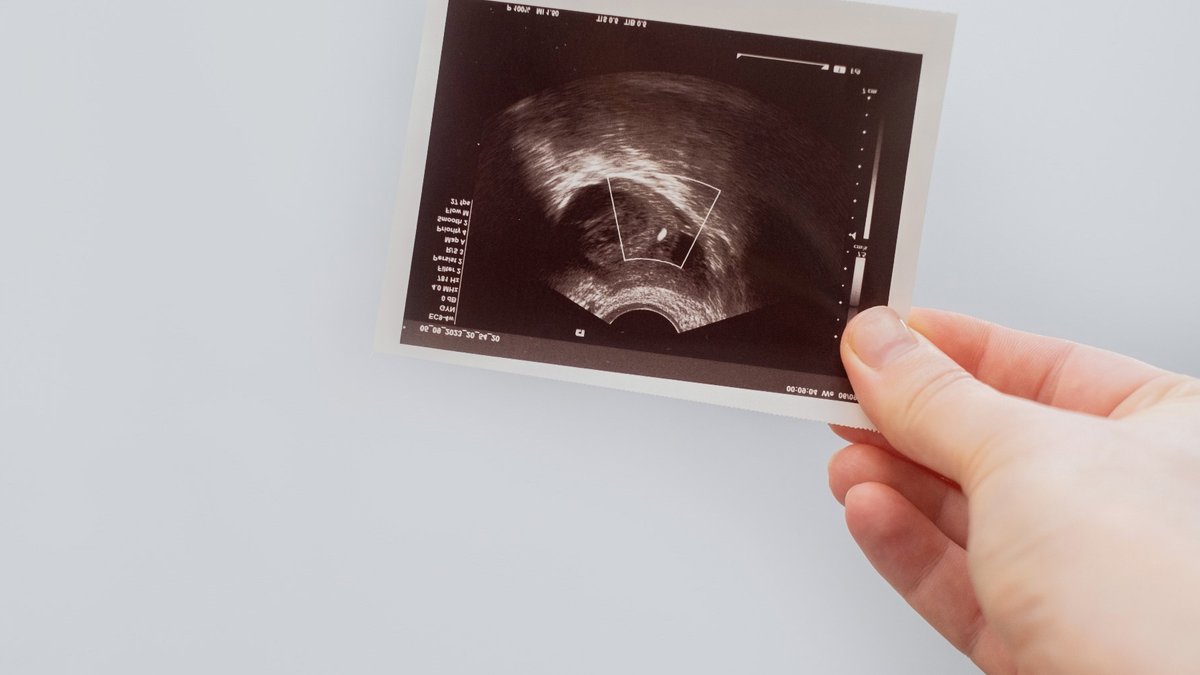
The review also outlines complications that require early recognition. Ovarian hyperstimulation syndrome (OHSS), affecting 3% to 8% of IVF cycles, can cause severe abdominal pain, rapid weight gain, and organ strain. Ectopic pregnancies, including rare heterotopic cases where an embryo implants both inside and outside the uterus, are more frequent after ART. Diagnosis relies on transvaginal ultrasound, with treatment ranging from methotrexate to emergency surgery.
Hemoperitoneum, though rare, can result from ruptured ectopic pregnancies or bleeding during egg retrieval. Symptoms include shoulder-tip pain, low blood pressure, and rapid heart rate, necessitating resuscitation and laparoscopic intervention if severe.
When Ovarian Stimulation Fails: Recognizing OHSS and Ovarian Torsion
Ovarian hyperstimulation syndrome (OHSS) progresses in stages, with symptoms worsening based on fluid shifts and organ strain. Mild OHSS may present as nausea, mild abdominal bloating, and weight gain of less than 2 kilograms, often managed with oral hydration and close monitoring. Moderate cases involve more pronounced symptoms, pelvic pain, detectable ascites on ultrasound, and weight gain of 2 to 5 kilograms, requiring inpatient observation, intravenous fluids, and electrolyte monitoring. The review notes that patients with a history of OHSS or those undergoing high-dose stimulation protocols face raised risk, highlighting the need for preventive measures such as cabergoline, a dopamine agonist that may reduce vascular permeability.
Diagnostic and Treatment Challenges in Ectopic and Heterotopic Pregnancies
The increase in assisted reproductive technologies has corresponded with higher rates of ectopic pregnancies, with ART-associated cases exceeding 2% in some studies. Heterotopic pregnancies, though still uncommon, now occur in up to 1 in 100 pregnancies following IVF, complicating management due to their dual presentation. The review stresses that transvaginal ultrasound remains the primary diagnostic tool, but false negatives can occur if the ectopic pregnancy is small or located in atypical sites, such as the cervix or abdominal cavity. Color Doppler imaging improves detection by identifying abnormal blood flow, though its absence does not rule out the condition. In unstable patients, diagnostic laparoscopy may be performed alongside treatment to avoid delays.