
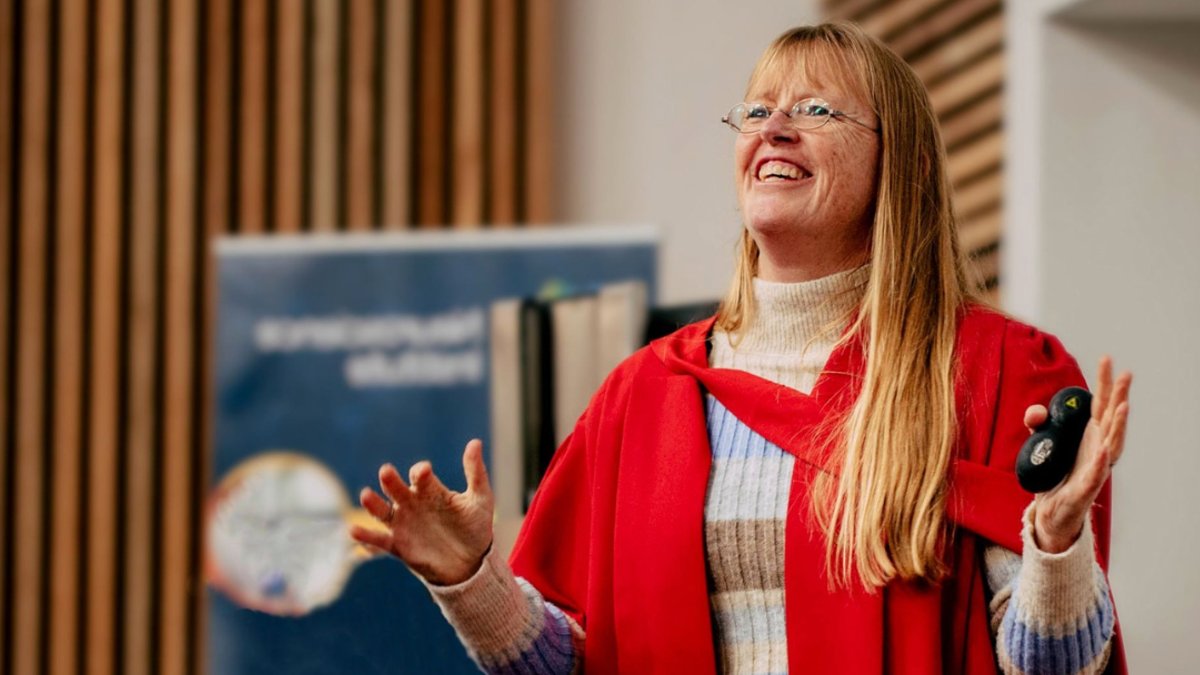
Professor Romy Parker, a physiotherapist and pain management specialist, spends her days treating patients in South Africa, but her focus has shifted toward reshaping the national healthcare system. Parker directs the pain management unit at the University of Cape Town and works at the Groote Schuur Hospital Chronic Pain Management Clinic. She has spent decades highlighting a gap in medical training. Many people seek care because they are in pain, yet pain management is rarely taught in medical schools, leaving health workers unprepared to treat it effectively.
A map for unmanaged pain
Parker is currently helping colleagues draft a national pain strategy. The document aims to map the systemic failures that leave pain unmanaged and propose solutions. She describes the strategy as a guide to the issues at every level of care. It acknowledges that pain is a pervasive issue, present after surgery, childbirth, accidents, and in terminal illness. Pain is also common in chronic conditions like HIV and arthritis. Because pain affects everyone, Parker notes, it often ends up being “no one’s responsibility” within the healthcare system.
South Africa struggles with both acute and chronic pain management, though it performs particularly poorly in the latter. The gap begins with education; a lack of training means few professionals understand the subject. Even when they do, resources are often scarce. Parker argues that pain management is “about so much more than pills.” Effective treatment requires an interdisciplinary team that addresses a patient’s entire reality, including their psychology and social conditions, rather than focusing solely on biological symptoms.
At Groote Schuur, Parker and her team hear patients’ stories that reveal the complex social drivers of their suffering. Parker’s approach prioritizes understanding the person behind the pain, a method that challenges conventional thinking and requires time for patients to adjust to new strategies.
Related Post: South Africa considers local HIV jab production
For many, the initial resistance to this holistic approach fades as they begin to see results. One patient treated by Parker and the multi-disciplinary team had relied on pain medication for eight years. After Parker suggested she reduce the drugs and incorporate exercise, the patient initially resisted but eventually followed the advice. The change led to a significant improvement in her daily life and independence, illustrating how individual care plans can reshape a patient’s trajectory.
The personal journey to pain
Parker is a physiotherapist and pain management specialist.
Parker returned to South Africa and initially worked in treating rheumatoid arthritis patients. She noticed a discrepancy where some patients with mild disease were in agony while others with severe disease managed well. This contradiction drove her to study pain management. She completed a master’s degree at Queen Margaret University in Edinburgh. Parker returned to South Africa in 2004 with the goal of teaching pain management at a university.
She faced significant challenges finding an academic post. In 2005, she secured a lecturing position at UCT. Parker began integrating pain education into her physiotherapy curriculum. Parker’s doctoral research on pain in people living with HIV was a world-first. She developed a peer-led exercise program for this population.