
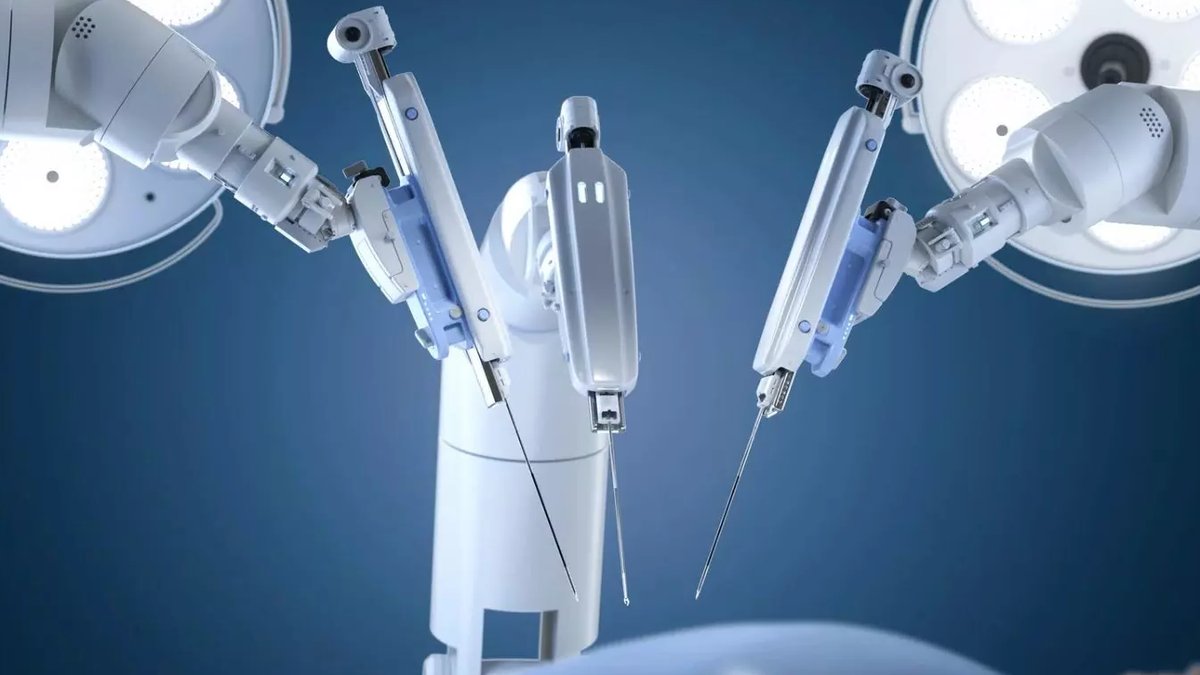
India’s Delhi-NCR region now stands as the country’s top center for AI-powered robotic cardiac surgeries, hosting 21 robotic systems and conducting roughly 1,800 such operations in 2025, medical professionals noted. According to experts, the number of robotic-assisted cardiac procedures in the region is expected to rise by around 40% in 2026, driven by growing adoption of the technology across private and government hospitals.
According to experts, 87 per cent of robotic cardiac surgery installations are currently in private hospitals and 13 per cent in government hospitals. Coronary artery bypass grafting (CABG) accounts for the largest share of robotic-assisted cardiac procedures in Delhi-NCR.
Dr Yugal K Mishra, chairman, Organising Committee, SMICTSI 2026 and chairman, Manipal Institute of Cardiac Sciences, Delhi, said, “Delhi-NCR has emerged as a pioneer in robotic-assisted cardiac surgery in India because of its advanced medical infrastructure, early adoption of robotic technology and the presence of highly experienced cardiac surgical teams.”
Robotic systems provide surgeons with enhanced three-dimensional visualisation, greater instrument control and highly refined surgical movements, allowing complex procedures to be performed through smaller incisions. This minimally invasive approach can reduce surgical trauma, postoperative pain and complications, while enabling faster recovery and shorter hospital stays.
According to Dr Mishra, “AI-supported imaging, surgical planning and clinical decision-making are further strengthening this transformation. Delhi-NCR is playing a leading role in bringing these advancements into mainstream cardiac care”.
The biggest advantage of robotic-assisted cardiac surgery is that it allows surgeons to combine their expertise with the precision and capabilities of advanced technology. In procedures such as robotic-assisted CABG, surgeons can operate through smaller incisions without the need for a conventional full breastbone opening in appropriately selected cases. This can translate into less postoperative discomfort, reduced surgical trauma, quicker mobilisation, and an earlier return to normal activities.
Robotic platforms provide magnified three-dimensional visualisation and articulated instruments, enabling surgeons to perform delicate manoeuvres with greater control in confined surgical spaces.
Experts believe the rapid expansion of robotic technology, increasing surgical expertise, and growing patient acceptance could help India surpass the US in the annual number of minimally invasive coronary artery bypass surgeries by 2031. Dr Rajneesh Malhotra, secretary, Organising Committee, SMICTSI 2026 and vice chairman and head, CTVS, Max Healthcare, Delhi, said that robotic-assisted and minimally invasive cardiac surgery are important developments that are changing the future of cardiovascular treatment.
India has the clinical talent, growing technological infrastructure, and patient volumes required to become a major global centre for these advanced procedures. Through SMICTSI 2026, experts aim to bring together international expertise, share clinical experiences, discuss technological advancements, and encourage greater training opportunities for young cardiac surgeons. “This collaboration will help strengthen India’s capabilities and accelerate the adoption of safe, effective, and affordable minimally invasive cardiac surgery,” Dr Malhotra said.