
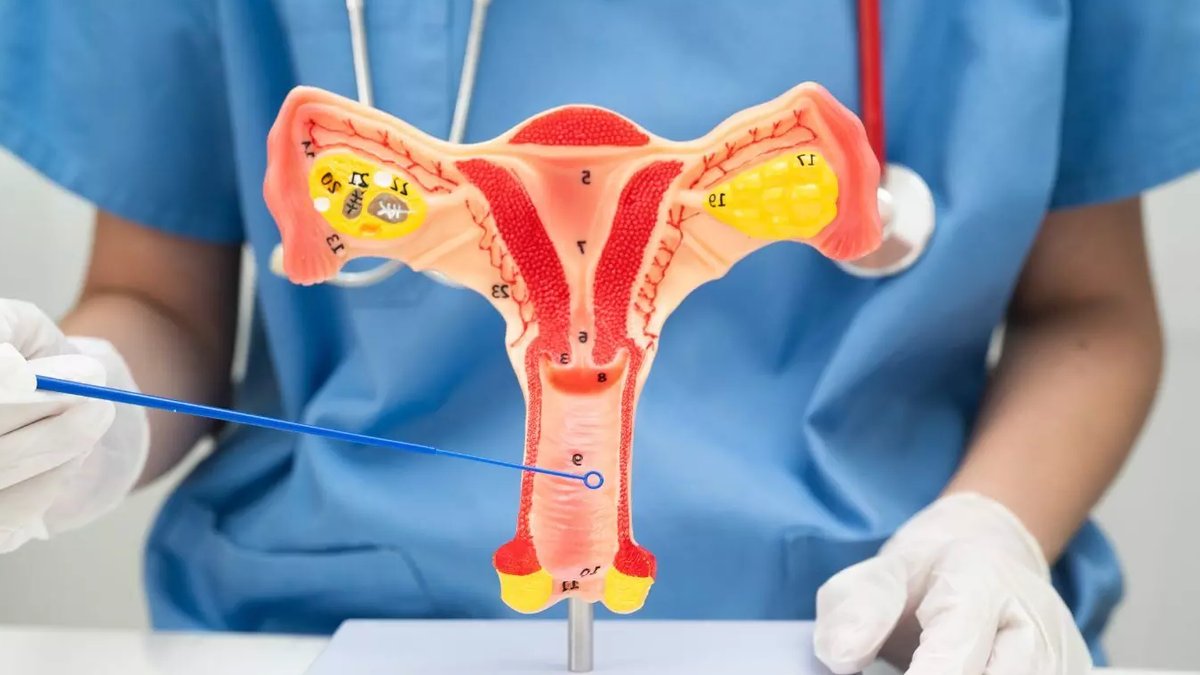
Cervical intraepithelial neoplasia grade 2 (CIN 2) is a moderate pre-cancerous lesion caused by persistent high-risk HPV infection. In China, 1.3% of screened women receive this diagnosis. Importantly, 50 to 60 percent of CIN 2 lesions regress spontaneously within two years, particularly in women younger than 30. The risk of progression to invasive cervical cancer remains below 0.5 percent during short-term observation but rises with prolonged surveillance. This consensus provides a framework to distinguish between regressive lesions requiring only monitoring and those necessitating intervention.
The preferred approach for women under 25, or those who wish to preserve their fertility, is active surveillance, provided the lesion is completely visible and not widespread. Factors that increase the risk of the lesion progressing include being positive for HPV 16 or 18, having high-grade cytology, and having lesions that are not fully visible during colposcopy. Surgery is still recommended if the lesions persist or worsen after two years, if they are diagnosed as CIN 3 or invasive cancer, or if the lesion’s upper boundary cannot be seen. The 2026 Chinese expert consensus on managing CIN 2 outlines specific clinical criteria for these decisions.
While ablative therapies like laser, cryotherapy, and thermal ablation are less invasive, they should be used only when invasive cancer is confidently excluded. Excisional procedures are generally preferred when surgery is necessary. Clinicians must pay close attention to minimizing excision depth to protect future pregnancy outcomes. Photodynamic therapy is emerging as a fertility-sparing option for selected young patients. Detailed guidance on these modalities is available in the Gynecol Obstet Clin Med publication from 2026.