
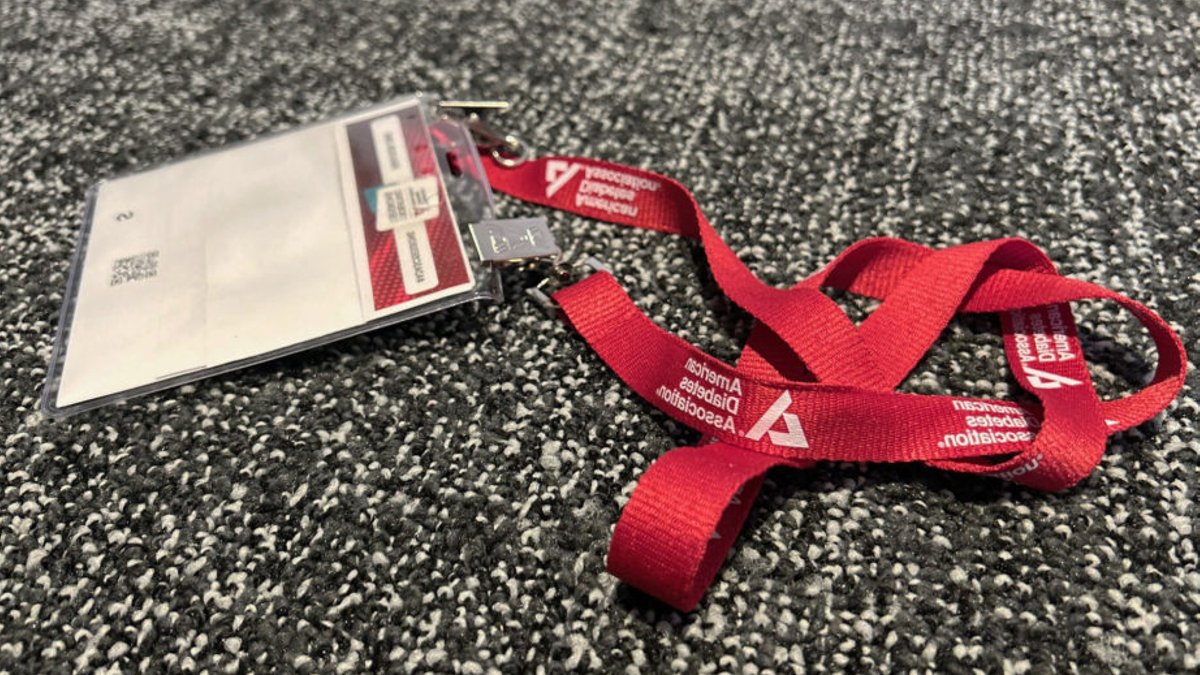
The American Diabetes Association’s CEO said an independent review found no merit to claims that the organization suppressed a viewpoint or called police on members during a June conference in New Orleans. The review, conducted by five independent volunteer investigators, examined two central allegations driving public anger regarding the events at the Scientific Sessions.
One claim suggested ADA staff removed attendees for distributing an editorial critical of federal research cuts, which the review found to be false. The document notes that the editorial was published in the association’s own journal, Diabetes Care, meaning the organization was not censoring its own content. The review determined that people were asked to leave due to conduct during the session, specifically repeated disruptions that continued after multiple requests to stop, which violated the conference code of conduct.
The second claim alleged that the ADA called in police to intervene against its own members. The review found no evidence that a call was placed to the New Orleans Police Department by anyone from the ADA. Security personnel were on-site as is standard for a conference of that size, and some of those officers were off-duty police officers acting in their capacity as event security rather than law enforcement.
The review also noted that ADA staff and security missed opportunities for better communication before and during the disruption, an error the CEO acknowledged. He wrote that the organization did not get everything right.
Related: Heart failure market to grow 8% by 2036
Addressing the funding debate
The ADA’s long-held commitment to open debate isn’t just words. The association has published critical viewpoints of federal research policy in its journals and made numerous public statements calling out administrations for cutting diabetes prevention programs. The organization intends to continue making these comments when federal actions undercut the diabetes community.
This is a period of deep anxiety across the medical research community about the future of federal funding, and that anxiety is not misplaced — significant cuts to diabetes research funding have been proposed in recent budget cycles. What often goes untold is that most proposed cuts to diabetes research have thus far not materialized. Diabetes research funding has been kept largely whole against those proposals, because our community fought for it — including ADA’s role this year in the ongoing pushback against a White House Office of Management and Budget proposal that would have let political appointees, rather than career grantmaking processes, decide which research got funded. That advocacy has had impact: The Senate recently added language to the pending continuing resolution that would block the OMB rule from taking effect.
ADA intends to close the gap between its advocacy work and how it communicates that work to researchers and clinicians. The CEO wrote that researchers, clinicians, and advocates in the community remain each other’s strongest allies against a far larger threat to work they’ve all given careers to.