
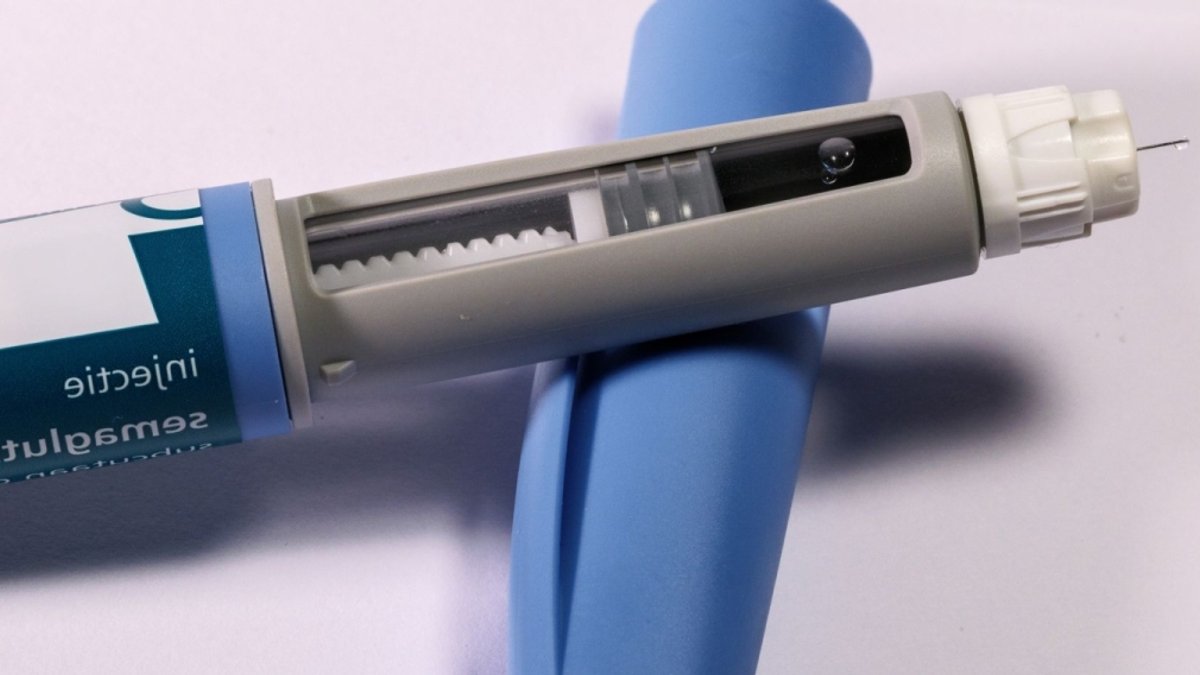
Prescriptions for GLP-1 weight-loss drugs nearly doubled in a single year, reshaping the market for surgical obesity treatments.
Global sales of gastric bands and balloons—devices used in bariatric procedures—are projected to fall to $34.2 million by 2035, according to data from GlobalData. The decline follows a surge in GLP-1 drug use, which saw prescriptions for obesity rise 105.6% between 2022 and 2023. Over the same period, metabolic bariatric surgery rates dropped 8.7%.
Surgery volumes drop for the first time in years
Figures presented at the 2026 American Society for Metabolic and Bariatric Surgery meeting showed U.S. surgical volumes declined in both 2024 and 2025. The drop ends a seven-year streak of growth, signaling a shift in how patients and doctors approach obesity treatment.
Aidan Robertson, a medical analyst at GlobalData, said smaller device manufacturers will likely feel the squeeze first. Fewer surgeries mean fewer sales, and the trend may hit hardest in cases of severe obesity, where surgery has historically been the most effective option. Yet many patients are now opting for drugs instead.
That doesn’t mean bariatric devices are disappearing. The Centers for Disease Control and Prevention estimates 2.1 billion people worldwide live with obesity, and 90–95% of severe cases remain untreated. The market isn’t collapsing—it’s changing.
Related: Woodlands Hospice expands care with new model
A reshuffled treatment setting
Robertson suggested the future of obesity care may not be a battle between drugs and surgery, but a blend of both. GLP-1 medications can’t fully replace bariatric procedures, particularly for patients with advanced obesity or related complications. Instead, the two approaches might increasingly be used together, with drugs helping patients lose weight before surgery or maintain results afterward.
The shift raises questions about access and affordability. GLP-1 drugs like Wegovy and Zepbound carry high price tags, and insurance coverage varies. Surgery, while often more effective long-term, comes with its own risks and recovery time. For now, the data suggests patients are voting with their prescriptions—and the market is adjusting.
Still, the decline in surgical volumes doesn’t tell the whole story. Some clinics report an increase in consultations, even as actual procedures drop. Patients may be exploring options earlier, weighing the pros and cons of drugs versus surgery before committing to either. If that’s the case, the next few years could see a more informed, if smaller, pool of surgical candidates.
For device makers, the message is clear: adapt or risk being left behind. The obesity treatment market isn’t vanishing—it’s just getting more competitive.