
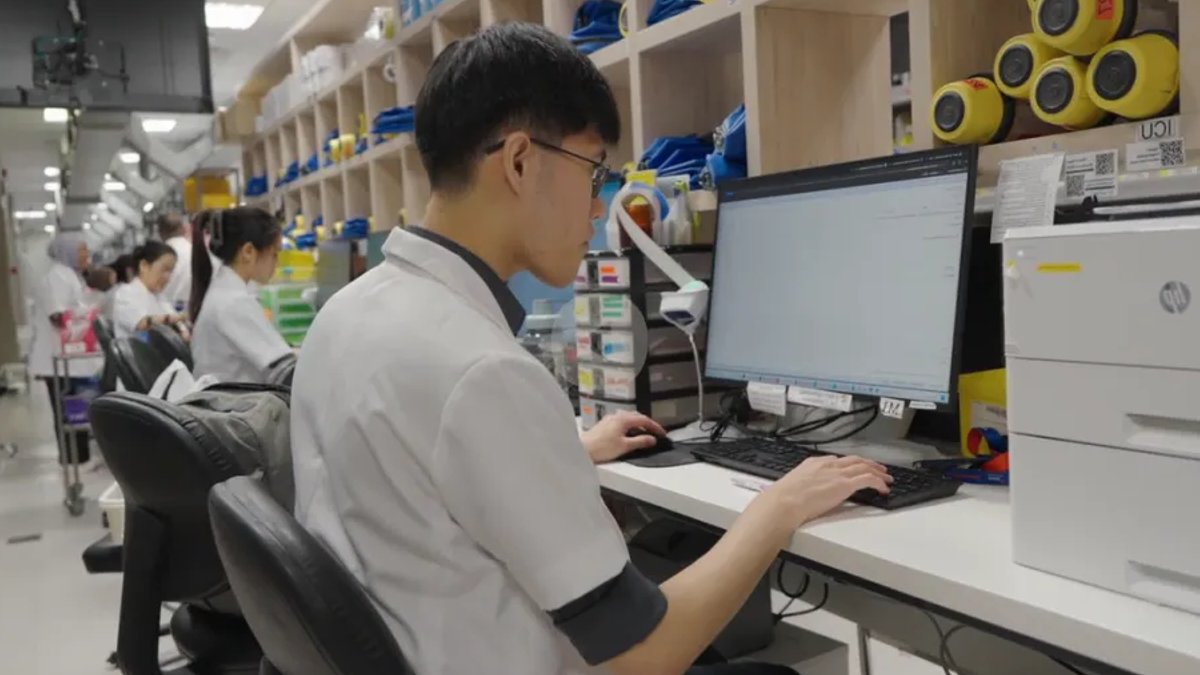
Singapore’s National University Health System (NUHS) says its new AI‑driven pharmacy platform could cut costs by up to $2 million a year once fully rolled out. The platform’s ability to automate routine tasks is expected to have a significant impact on the healthcare system, enabling pharmacists to focus on higher‑value tasks that require their expertise.
How the platform is built
The NUHS Cluster AI in Pharmacy (NCAIP) combines four artificial‑intelligence tools that handle medication reconciliation, prescription triage and verification. By linking data from various hospital systems, the platform creates a single view of each patient’s medication history. This integrated approach allows for a more full understanding of a patient’s medication regimen, reducing the likelihood of errors and adverse interactions.
The integrated approach is meant to streamline routine tasks that pharmacists currently perform manually. For instance, medication reconciliation, which involves reviewing a patient’s medication list to ensure accuracy and completeness, is a time‑consuming process that can be prone to errors. By automating this task, the platform can help reduce the risk of medication errors and improve patient safety.
In its first deployment stage, the MedTriage component is projected to save as many as 94 working hours each week. That translates to roughly $229,690 in annual cost reductions, according to the health system’s internal estimates. This initial phase is expected to demonstrate the platform’s potential to drive efficiency and cost savings, paving the way for further expansion and development.
Related: Europe to miss 2030 hepatitis targets warns health agency
Impact on pharmacist workload
NUHS reports that pharmacists presently devote more than 350 hours weekly to medication reconciliation, 190 hours to routine prescription triage and counselling, and 310 hours to inpatient medication verification. The AI suite is expected to free up about 850 pharmacist hours each week across these activities. This significant reduction in workload is expected to enable pharmacists to focus on more complex and high‑value tasks, such as providing patient education and conducting medication reviews.
Beyond time savings, the platform could lower in‑person dispensing by up to 20 %. That would let pharmacists focus on patients who need direct assistance or detailed counselling, rather than spending time on routine checks that machines can handle.
Future expansion
The document notes that NCAIP is designed to support testing and deployment of additional pharmacy‑related AI tools over time. By building on the current suite, NUHS hopes to further automate routine processes and extend savings beyond the initial $2 million projection. The platform’s architecture is designed to be flexible and scalable, allowing for the integration of new tools and modules as they become available.
While the system’s current focus is on reconciliation, triage and verification, the architecture allows for new modules that could tackle tasks such as drug interaction alerts or inventory management. The health system plans to evaluate performance metrics as more tools come online, ensuring that the platform continues to drive efficiency and improve patient care.