
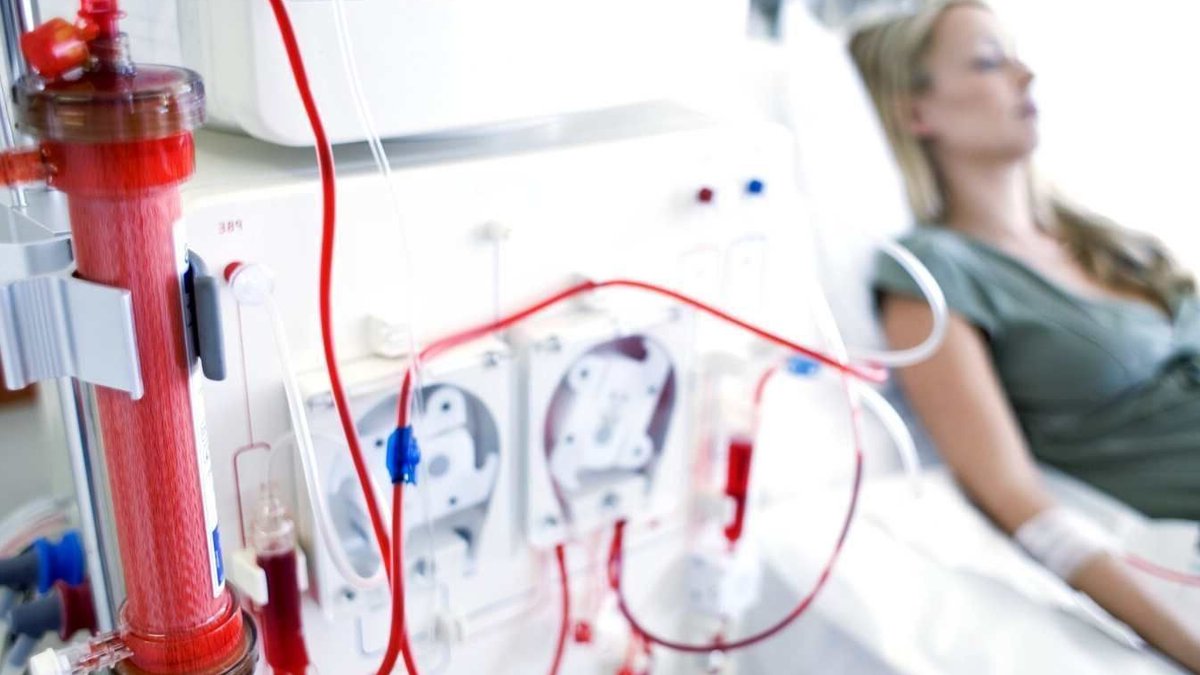
Exercise during hemodialysis may boost activity levels and muscle strength, a new systematic review finds. The analysis, published in the American Journal of Nephrology, evaluated intradialytic exercise as a way to improve fitness while patients receive treatment.
Study Reviews Over 3,000 Records
Researchers screened 3,880 records across databases including MEDLINE and Embase, ultimately selecting 23 studies that involved 1,114 hemodialysis patients. Two reviewers independently extracted data and assessed bias before conducting a meta-analysis with Review Manager 5.4.1.
The trials examined three broad exercise types, combined aerobic and resistance, pure resistance, and varying intensities, across seven program lengths and four intensity levels. Measured outcomes covered physical activity, peak oxygen consumption (VO₂ peak), muscle strength, and muscle mass.
Combined aerobic and resistance training produced the largest gains, with standardized mean differences (SMD) of 0.99 for activity levels and 1.01 for VO₂ peak. These figures indicate a strong positive effect on both daily movement and aerobic capacity.
Resistance-only programs also yielded benefits, improving muscle strength by an effect size of 0.52. This suggests that strength-focused sessions can counteract the muscle weakness common in long-term dialysis patients.
Read Also: Ultrasound reduces hypotension in empyema surgery
Exercise intensity mattered. Moderate-intensity regimens raised activity (effect size 0.55), VO₂ peak (effect size 0.59) and strength (effect size 0.37). Higher-intensity workouts showed an even larger strength gain, with an effect size of 1.02.
Program duration influenced results as well. Interventions lasting up to three months improved activity (effect size 0.65) and VO₂ peak (effect size 0.70). Extending programs to six months led to a significant strength increase (effect size 0.41).
Integrating exercise into dialysis sessions makes efficient use of patients’ time, turning a typically sedentary period into an opportunity for physical conditioning. This approach aligns with broader efforts to reduce the health risks associated with prolonged inactivity in chronic kidney disease.
The authors conclude that intradialytic exercise is effective for enhancing physical activity, aerobic capacity, and muscle strength in hemodialysis patients. They recommend future trials directly compare modalities, intensities, and durations to pinpoint the most advantageous protocols.