
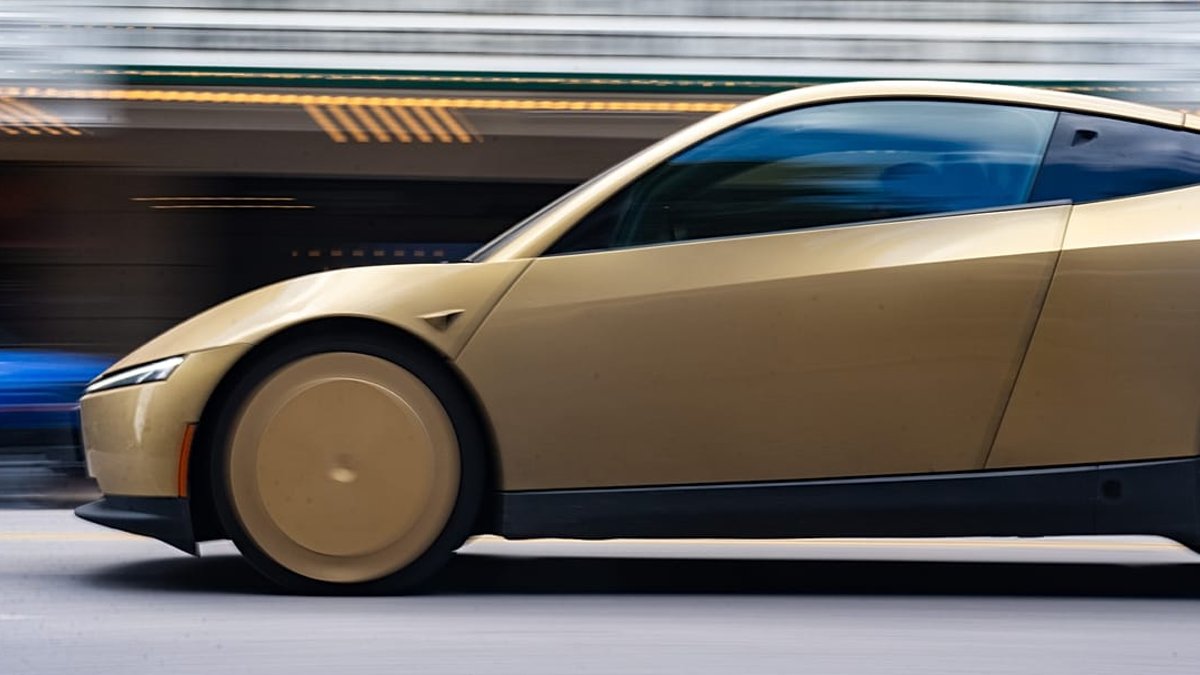
Several car companies have attempted to launch robotaxis in the last few years, but these plans have often been quickly abandoned. Tesla, one of the biggest companies to promise robotaxis, has faced a slowing rollout in recent months due to safety and operational challenges.
However, Tesla is not the only company facing these problems. European car companies like Volkswagen, BMW, and Mercedes-Benz are also seeing hurdles in their robotaxi plans.
Legacy carmakers have seen minor advancements in robotaxis, but progress remains slow and uneven for widespread launches. Volkswagen first announced its commercial robotaxi partnership with Uber in April 2025, but full commercial rollout still faces challenges like strict regulatory timelines and high hardware costs.
Volkswagen finally launched its first pilot passenger robotaxi service via its subsidiary Moia in Hamburg this July. However, European and German road regulations require trained safety monitors to stay behind the wheel during public tests, making it unlikely for Volkswagen to receive fully driverless commercial certification until at least 2027.
Related: Class 7 Cleanroom Manufacturing for High-Quality Medical Devices
Europe takes a more cautious approach to unproven software compared to the US and China, leading to delayed real-world algorithm training. Local safety watchdogs and crash-investigation guidelines may struggle to keep pace with rapid commercial robotaxi rollouts, adding complexity. They have paused the rollout of certain features due to soaring costs and low demand.
BMW has shifted focus toward advanced Level 2 Plus/DCAS assisted driving, where the driver remains responsible for the car. Consumers are increasingly unwilling to pay more for limited autonomous features, stalling business cases for driverless fleets.
Rising competition between European players like Mercedes-Benz and tech-driven partnerships has squeezed the assisted and automated driving market. It has become challenging for companies to make a strong case for investing in robotaxis.
China already has robotaxis in several cities, including Beijing, Wuhan, Shenzhen, Guangzhou, and Shanghai. These services operate mainly within specified geofenced pilot areas and suburban districts, with cities like Wuhan and Shenzhen having extensive commercial fleets running 24/7.
Related: Blocked Users Receive Apology Message
Users can hail rides through mainstream platforms like WeChat and Alipay. China’s widespread government support has contributed to the growth of robotaxis in the country.
European companies continue to face challenges in launching robotaxis.
They may need to re-evaluate their strategies and consider the factors that have contributed to China’s success. By doing so, they may be able to overcome the hurdles that have hindered their progress so far, and make progress in the development of robotaxis in their own regions.