
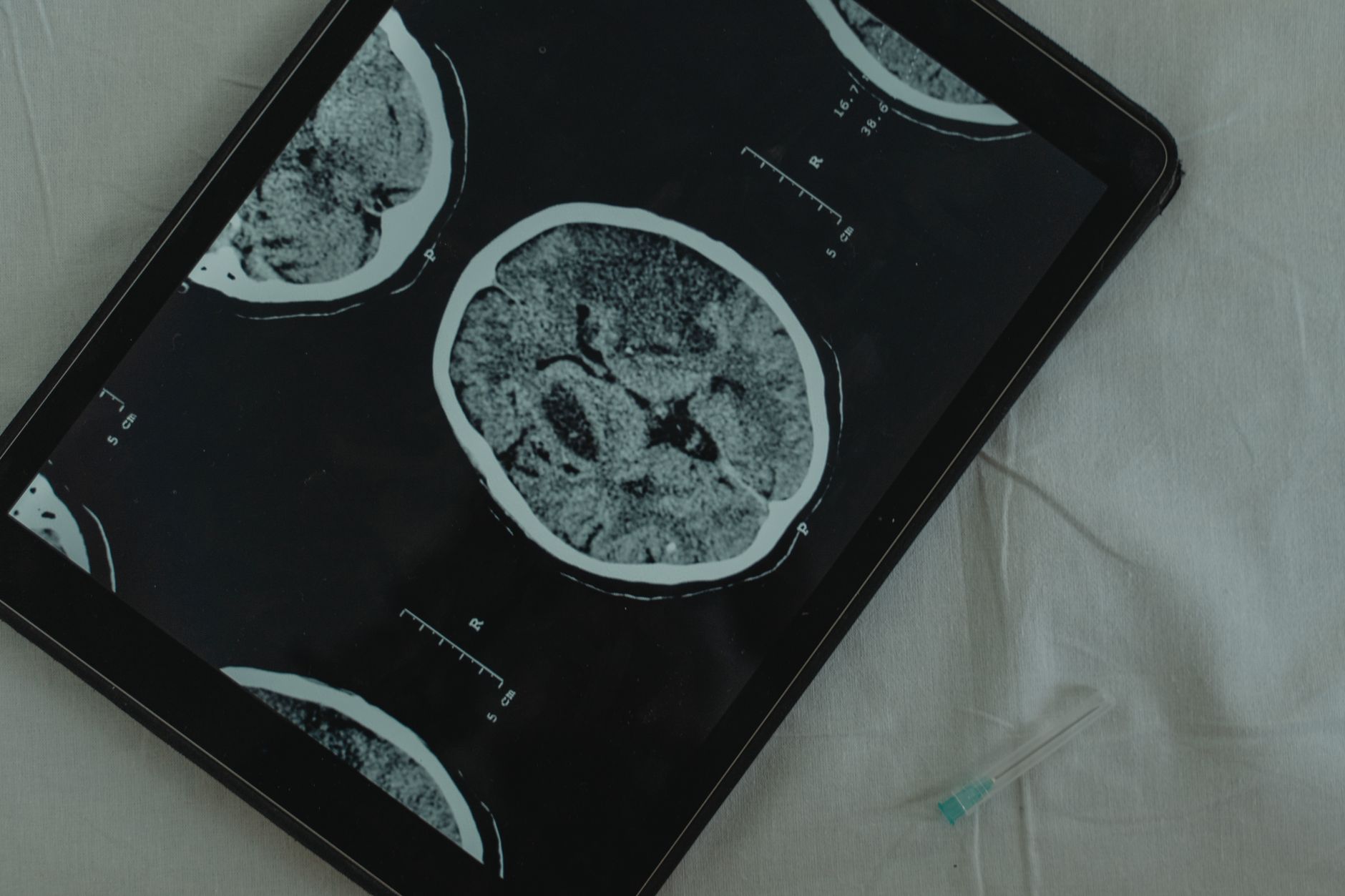
A 13-second eye test may offer a new way to gauge recovery potential in patients with severe brain injuries, according to a study presented at the European Academy of Neurology Congress 2026. Researchers identified a previously overlooked phase of the pupil’s response to light, called the late light-off response (LOR), that appears to predict improvements in consciousness seven days after injury. Current tools like the Neurological Pupil Index (NPi) and pupillary light reflex (PLR) latency, already used in intensive care units, did not show the same predictive power.
Related: CT scan may improve stomach cancer outlook
The test involves measuring how long it takes for the pupil to return to its normal size after exposure to light. This late phase, which occurs after the initial reaction, was found to correlate with later gains in awareness. The study followed 250 patients with acute brain injuries, including traumatic and non-traumatic cases, over 20 days in the ICU. Daily automated pupillometry and neurological assessments tracked progress, revealing that LOR latency was an independent predictor of recovery.
Scientists from Copenhagen University Hospital Rigshospitalet and the Danish Technical University noted that the LOR was most strongly linked to patients not on sedatives and those with anoxic–ischaemic injuries, where oxygen and blood flow to the brain are disrupted. However, these findings are preliminary and require validation in larger studies, the team emphasized.
Related: The Soothing Science: How CBD Pain Relief Cream Actually Works
The test’s speed and simplicity make it a candidate for routine use in ICUs. Using a handheld automated pupillometer, the assessment takes just 13 seconds per eye. Unlike existing measures, which focus on immediate reactions, the LOR appears to reflect long-term recovery potential.
Current tools in ICUs often focus on short-term brain function, leaving long-term outcomes harder to forecast. The LOR, by contrast, seems to reveal something about the brain’s capacity to heal over time. While the findings are promising, experts caution against overinterpreting the data. “These subgroup findings were exploratory,” Kondziella said. “More work is needed before this becomes a standard practice.”
Related: Fujifilm opens Milan training facility
The study’s authors acknowledged limitations, including the need to confirm results in diverse patient populations. They also noted that the LOR’s value might vary depending on the type of injury or the presence of sedatives. Despite these caveats, the approach offers a low-cost, noninvasive method for monitoring recovery that could complement existing assessments.